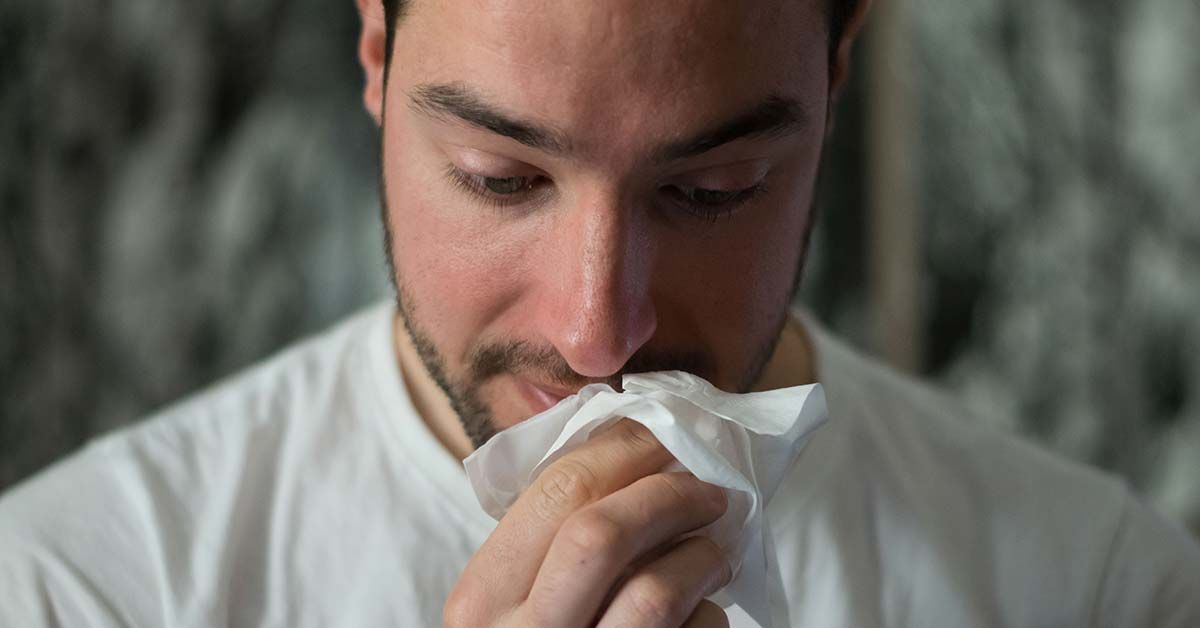
Every traveler wants to enjoy their stay at a hotel. Whether it is a trip for business or pleasure, guests expect a hotel to cater to their needs and prioritize cleanliness. Hotels must appeal to each of the five senses – sight, hearing, touch, smell and taste – to provide a memorable and impressive experience. It can be difficult to do so if a guest is overwhelmed by allergy symptoms such as nasal congestion, watery eyes and sneezing.
Preventing allergens in hotels is crucial. Thankfully, there are several facility maintenance and cleaning recommendations that hotels can lean on to keep allergies from impacting guest satisfaction. With spring underway and summer around the corner, it is an ideal time to brush up on these best practices to ensure every guest feels their best when staying at your property.
Allergy Season(s) = an Annual Issue
Spring is a season of renewal that results in the beginnings of warmer weather and blossoming flowers. Yet along with the beauty that spring brings, it also often causes a range of symptoms for allergy sufferers. From nasal congestion to runny noses and itchy eyes, spring allergies can make guests miserable.
While spring allergies present a problem for many people, it is important to remember that summer is another season that can trigger allergy symptoms. Once summer transitions into fall, many allergy sufferers still have symptoms. Plus, many people also have non-seasonal allergies. For example, the Asthma and Allergy Foundation of America reports that as many as three in 10 people with allergies have allergic reactions around cats and dogs.
Not every hotel allows pets, but an increasing number are allowing guests to stay in a room with cats, dogs and other furry companions to cater to the 67% of U.S. households that own a pet. While pet-friendly policies are ideal for travelers who want to take their animals on their journeys, they can cause issues for allergy sufferers, as pet hair and dander can set of sneezing, itchy eyes and more.
Best Practices for Keeping Allergy Symptoms at Bay
Allergies in hotels can compromise guest wellbeing and satisfaction. Incorporating the following best practices year-round can help your property maintain:
- Prioritize good indoor air quality – Indoor air pollutants lead to poor indoor air quality (IAQ) and can aggravate allergy symptoms. These pollutants may include pollen, dust, cigarette smoke and pet dander. Carpet acts as a filter by trapping indoor pollutants, but should be vacuumed regularly. Look for a machine that meets the Carpet and Rug Institute’s recommendations. Additionally, dust surfaces regularly to prevent buildup.
Proper ventilation and air cleaning are additional methods for lowering the concentration of pollutants and removing particles form the air, according to the United States Environmental Protection Agency.
- Use non-fragranced cleaning products – There is a misconception that if you cannot smell cleaning products when you walk into a room, the space is not clean. However, cleanliness does not actually have a fragrance associated with it. We have simply come to accept that strong chemicals with citrus, pine or other fragrances are required for achieving cleanliness.
Unfortunately, many people are sensitive or even allergic to certain fragrances. Thus, it is best to avoid them in your cleaning program at all costs. Whether it is a surface cleaner or carpet cleaning chemistry, look for products that can effectively clean without the use of added perfumes.
- Contain pets to specific rooms and areas – Many people who live with animals are not bothered by pet fur and dander. However, someone with allergies most certainly will. Because of this, it is a good idea to have rules regarding where pets can wander in your facility. Will they be allowed to accompany their owner in the lobby or at an outdoor seating area? Can they walk on their leash in a hallway? Perhaps you have a policy that pets must remain in a guest’s room at all times. You may even consider having hypoallergenic rooms that do not allow pets, and having other rooms designated for cats, dogs or other animals. Whatever you determine is best for your hotel, it is best to vacuum carpet and rugs, and use a low-moisture encapsulation system to clean away any lingering stains once a guest and his or her pet has checked out.
Ensuring Guest Satisfaction Year Round
Hotels aim to be welcoming places for rest and relaxation. With so much competition in the marketplace, properties must do everything possible to give guests a five-star experience. This not only ensures repeat bookings, but can encourage family, friends, colleagues or even those who read a guest’s online review to make a reservation for a future business trip or vacation.
Hotel room allergies can be detrimental to a guest’s experience. By following the above best practices regarding indoor air quality, cleaning chemical ingredients and pet policies, hotel managers and housekeeping teams can do their part to satisfy guests’ needs, including the many people who suffer from allergies during the year.